A paved road can take you to Namibia’s famous viewpoints. Off road tourism takes you into the landscape itself - across shifting dune faces, along the Atlantic edge, through wide desert valleys, and into places where the route changes with the wind.
This is not sightseeing from a bus window. It is the feeling of soft sand under a 4x4 tire, the rush of dropping over a dune ridge, and the silence that hits when the engine stops miles from the nearest town. Done well, it is epic. Done carelessly, it can be dangerous and damaging. That is why the best desert experiences pair real adventure with local knowledge, capable vehicles, and respect for the terrain.
What Off Road Tourism Really Means in Namibia
Off road tourism is often mistaken for simply driving a 4x4 wherever the sand looks inviting. In Namibia, it is far more deliberate than that. The desert has protected areas, fragile ecosystems, tide-dependent coastal routes, hidden hazards, and soft sand that can trap even an experienced driver in minutes.
A proper off-road experience follows approved routes and conditions while giving travelers access to terrain that standard vehicles cannot reach. It can mean riding through the towering dunes near Walvis Bay, exploring the lunar-like ridges of Moon Valley, crossing open plains near Spitzkoppe, or learning the practical skills needed to drive sand safely.
The appeal is not just speed or technical driving. Namibia’s landscapes are enormous, raw, and constantly changing. A guide can take you beyond the obvious photo stop and explain why a dune line looks different after a windstorm, where desert wildlife may appear, or why the ocean and desert meet in such dramatic fashion at Sandwich Harbour.
Why the Desert Is Best Experienced Beyond the Pavement
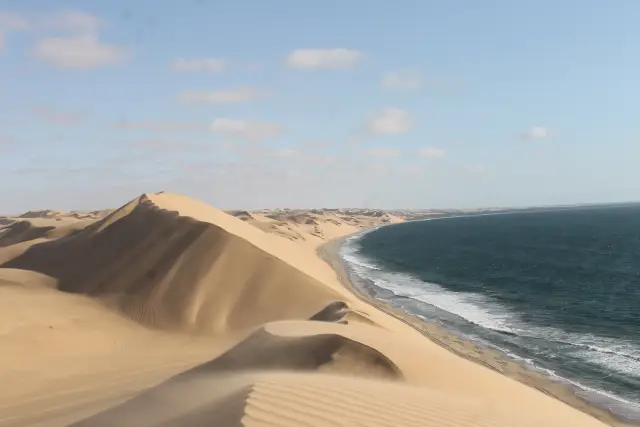
There is a reason Namibia belongs high on the list for adventure travelers. Its open spaces feel truly open. In many destinations, off-roading means squeezing down a wooded trail or following a packed convoy. Here, the horizon can stretch for miles, with copper-colored dunes on one side and deep blue Atlantic water on the other.
At Sandwich Harbour, the scenery delivers one of the country’s most unforgettable contrasts. The dunes roll straight toward the ocean, creating narrow sections of beach where timing, tides, and sand conditions matter. It is a spectacular place to visit, but not one to approach casually in a rental vehicle without current local knowledge.
Farther inland, Moon Valley offers another side of the desert. Its eroded ridges, rocky textures, and pale open spaces feel almost otherworldly. Spitzkoppe brings granite peaks into the picture, while Sossusvlei puts travelers close to some of the world’s most recognizable red dunes. Each destination has a different character, and that is what makes a Namibia adventure worth planning around more than one stop.
Guided Tours or Self-Drive: Which Is Right for You?
The right choice depends on what you want from the day. A guided tour is the strongest option for first-time visitors, travelers without a suitable 4x4, families, and anyone who wants to enjoy the scenery without worrying about route finding, tire pressures, tides, or recovery gear.
With a skilled guide at the wheel, you can focus on the experience. You get the thrill of dune driving, access to routes that require local familiarity, and the confidence that someone is reading the sand conditions in real time. This is especially valuable on coastal dune routes, where a beautiful beach can become impassable as the tide rises.
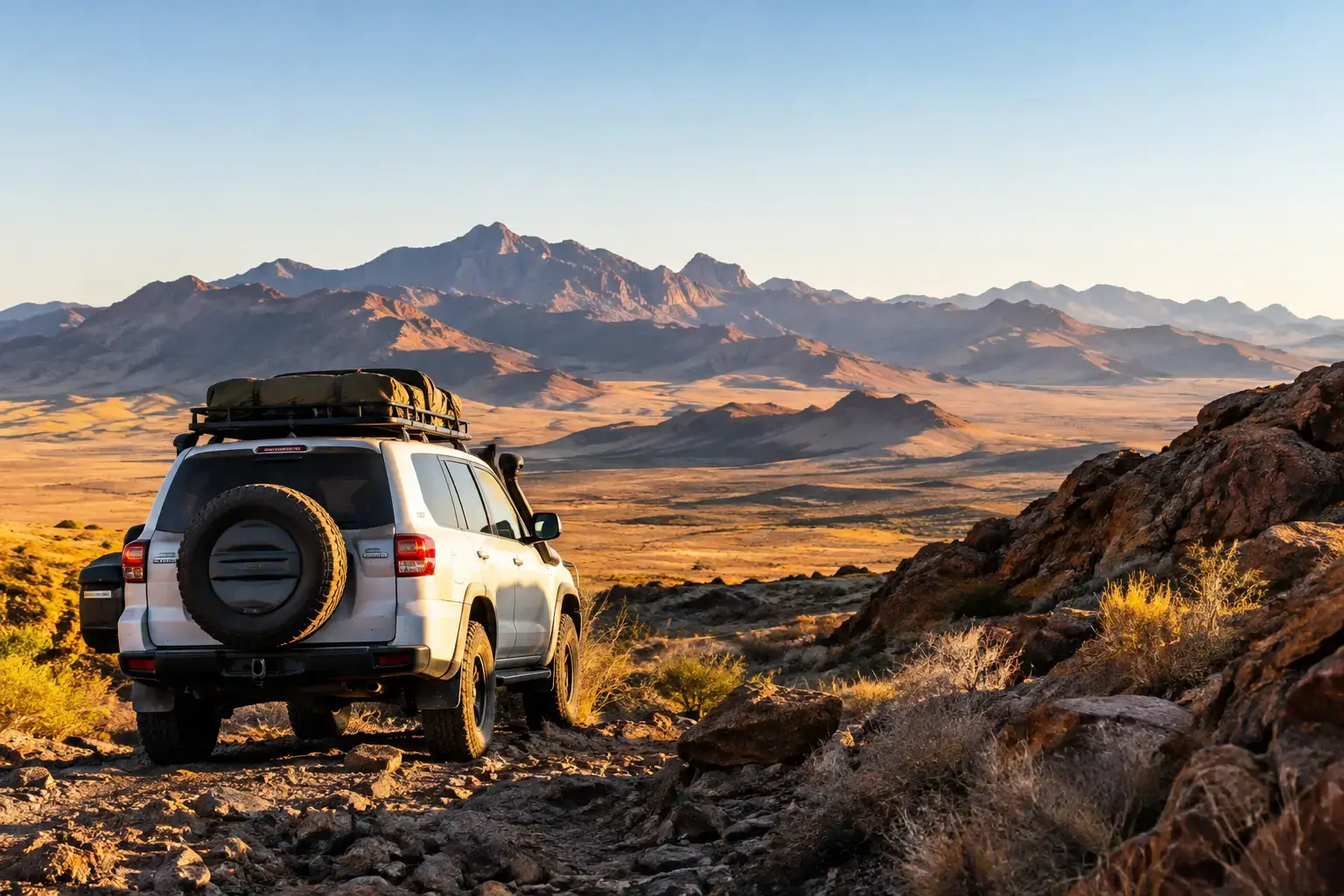
Self-drive adventure has its own appeal. Confident 4x4 travelers may want the challenge of driving their own vehicle while benefiting from structured guidance, route advice, or a professional lead vehicle. It is more hands-on and more personal, but it also comes with responsibility. Your vehicle needs appropriate clearance and recovery capability, and every driver should know how to adjust tire pressure, maintain momentum in soft sand, and avoid sharp steering on steep dune faces.
Dominus Dune Tours gives travelers both options, from fully guided dune experiences to practical support for self-drive explorers who want to tackle Namibia’s desert terrain with more confidence.
The Best Experiences Mix Thrill With Skill
The most memorable desert days are not always the fastest ones. They are the ones that let you feel the landscape from different angles.
A dune driving lesson, for example, turns passengers into capable participants. You learn why momentum matters in soft sand, how to approach a crest without launching over it, and when to stop before a small problem becomes a recovery job. These skills are useful for anyone planning a longer self-drive trip through Namibia.
Sandboarding is another way to experience the dunes without an engine. It is beginner-friendly, high-energy, and far more physical than it looks from the top. The first run may feel intimidating. The second usually ends with sand on your clothes and a huge grin.
Sundowner trips offer a different pace. After a day of heat and movement, watching the desert colors shift toward orange, red, and purple from a high dune is a powerful reminder that adventure does not need to be nonstop action. For couples, families, and groups celebrating a special trip, this is often the moment that stays with them longest.
Desert Safety Is Part of the Adventure
Excitement and safety are not opposites. In the dunes, professional preparation is what gives you the freedom to enjoy the ride.
Vehicles should be properly maintained and equipped for sand conditions. Drivers need water, sun protection, communication capability, and a recovery plan. Routes should account for weather, visibility, tides where relevant, and the ability level of everyone involved. If conditions are not right, changing the plan is good judgment, not a disappointment.
Travelers should also be honest about their experience. A 4x4 badge does not automatically make someone a sand driver. Desert driving requires different techniques from gravel roads or mountain tracks. Beginners can absolutely enjoy it, but they should start with trained guidance rather than treating the dunes as a place to experiment alone.
Families are welcome on many desert outings, though the right tour depends on children’s ages, comfort with bumpy terrain, and the day’s conditions. A scenic guided route or sundowner experience may suit younger children better than a longer, more intense dune-driving session.
Responsible Off Road Tourism Protects What Makes It Special
Namibia’s desert may look empty, but it is not lifeless. Tracks can disturb sensitive areas, wildlife depends on scarce resources, and coastal environments can be affected by careless access. The freedom of off-road travel only works when visitors respect the rules that protect these places.
Stay on approved routes. Do not chase wildlife or drive over vegetation. Keep litter secured, especially in windy conditions. Listen when guides explain why a route is closed or why a vehicle must travel a certain way. Those decisions are not there to reduce the fun. They protect the landscape that people have come so far to see.
Responsible travel also supports better experiences. When guests choose operators who know the terrain and follow local requirements, they help keep desert access sustainable for future travelers, communities, and wildlife.
Questions Travelers Ask Before Heading Into the Dunes
Do I need off-road experience?
No. Guided experiences are designed for beginners as well as experienced adventure travelers. You can ride with a professional driver, try sandboarding with instruction, or take a dune driving lesson that matches your confidence level.
What should I bring?
Bring sunglasses, sunscreen, a light jacket for coastal wind, closed-toe shoes, and a camera or phone with space for photos. Sand gets everywhere, so protect sensitive electronics and avoid bringing valuables you do not need.
Is dune driving available year-round?
Desert experiences run through much of the year, but conditions can affect routes and timing. Wind, fog, heat, tides, and changing sand all matter. A flexible mindset helps you get the best experience on the day.
Can a private tour be customized?
Often, yes. Private experiences are a great fit for couples, families, friend groups, photographers, and travelers with a specific destination or activity in mind. The best plan depends on available time, group size, vehicle needs, and current conditions.
The desert does not reward rushing. Give yourself time to stand on the ridge, look out over the tracks disappearing into the sand, and take in the scale of where you are. That is where a Namibia adventure becomes more than a tour - it becomes a memory you will want to tell stories about for years.